Top Signs You Need a Root Canal Treatment Before It’s Too Late
Let’s be honest—when someone says “root canal,” most of us flinch. We’ve all heard the jokes, the horror stories from a friend of a friend, and the classic line: “I’d rather have a root canal than…” (fill in the blank with something mildly unpleasant).
But here’s the truth the movies don’t tell you: modern root canal treatment is not the enemy. In fact, it’s the hero that saves your natural smile when things go wrong inside your tooth.
The real enemy? Waiting too long.
Ignoring the early warning signs can turn a simple, painless procedure into a dental emergency—or worse, tooth loss. That’s why I’ve put together this guide: to help you recognize the top signs you need a root canal treatment before it’s too late.
So grab a coffee (room temperature, please—sensitive teeth, you know?), and let’s dive in.
What Exactly Is a Root Canal Treatment? (No Jargon, Promise)
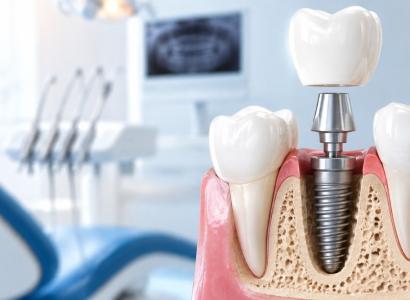
Before we jump into the symptoms, let’s quickly break down what a root canal actually is. Think of your tooth like a hard-shelled candy with a soft, gooey center. That center is called the dental pulp, and it contains nerves, blood vessels, and connective tissue.
When that pulp gets infected or inflamed due to deep decay, a crack, or repeated dental procedures, it can’t heal on its own. A root canal procedure removes the damaged pulp, cleans and disinfects the inside of the tooth, and seals it up.
You keep your natural tooth. The pain goes away. And you avoid an extraction.
Still sound scary? It shouldn’t. Most patients say it feels no different than getting a deep filling. The real pain is almost always the infection before the treatment—not the treatment itself.
Why Acting Early Matters More Than You Think
Here’s what happens when you ignore the signs you need a root canal:
- The infection spreads to the root tip.
- You develop a dental abscess (a pocket of pus).
- The bone around your tooth starts to deteriorate.
- You may lose the tooth entirely.
- The infection can even spread to your jaw, sinuses, or bloodstream—yes, that’s as serious as it sounds.
The bottom line? A root canal saves your tooth. Waiting could cost you much more than a dental visit.
So let’s get into the red flags. If you notice any of these, don’t panic—just pick up the phone and call your dentist.
1. Persistent, Throbbing Tooth Pain
Let’s start with the big one: tooth pain.
Not the little zing you get from an ice cube. Not the dull ache after biting into something too hard. I’m talking about spontaneous tooth pain that comes out of nowhere—especially pain that keeps you up at night.
If you find yourself reaching for over-the-counter pain relievers just to function, that’s a clear sign something is wrong deep inside your tooth.
What does root canal pain feel like?
- A deep, throbbing ache that doesn’t go away.
- Pain that radiates to your jaw, ear, or temple.
- Pain that worsens when you lie down (gravity increases blood flow to the head, increasing pressure).
If your tooth hurts constantly, even when you’re not eating or drinking, don’t wait. That’s one of the most common signs you need a root canal treatment.
2. Extreme Sensitivity to Hot and Cold
Do you wince when sipping morning coffee? Does a spoonful of ice cream make you see stars?
A little temperature sensitivity is normal—especially if you have gum recession or enamel wear. But lingering sensitivity is a different story.
The “linger test”
Take a sip of hot tea or cold water. If the discomfort lasts more than a few seconds—especially 10, 20, or 30 seconds—that’s a red flag. It suggests the nerve inside your tooth is damaged or dying.
Once the nerve dies, the sensitivity may suddenly disappear. But don’t celebrate. That usually means the infection has progressed, and you still need treatment.
3. Swollen, Tender, or Bleeding Gums
Your gums are great storytellers. When something’s wrong beneath the surface, they often show it first.
Look for:
- A small, pimple-like bump on your gum (this is called a gum boil or parulis).
- Swelling that comes and goes.
- Tenderness when you touch the gum near a specific tooth.
- Bleeding when brushing or flossing around that area.
That little bump might drain bad-tasting fluid or pus. If you notice a bad taste in your mouth along with gum swelling, you’re likely dealing with an abscessed tooth.
Don’t squeeze it. Don’t ignore it. Call your dentist.
4. Darkening or Discoloration of the Tooth
Have you noticed one tooth suddenly looking… off? Maybe it’s gray, dark yellow, or even blackish compared to its neighbors.
Tooth discoloration often happens when the internal nerve tissue is dying or dead. It’s common after a sports injury or a fall, but it can also happen slowly due to deep decay.
Even if you feel no pain, a dark tooth is a major sign you may need a root canal. The infection is still there—it just isn’t hurting yet.
5. A Chipped, Cracked, or Broken Tooth
Life happens. Maybe you bit down on a popcorn kernel. Maybe you grind your teeth at night (hello, stress). Or maybe you took an elbow to the mouth in a pickup basketball game.
A cracked tooth doesn’t always hurt right away. But over time, bacteria can seep into the crack and infect the pulp.
Not all cracks are visible
Some cracks are too small for X-rays. But your dentist has special tools and lights to find them. If you have a cracked tooth and it starts hurting when you chew or release the bite, the pulp may already be compromised.
Don’t assume a small chip is harmless. Get it checked.
6. Pain When Chewing or Touching the Tooth
Imagine biting into an apple and feeling a sharp, electric shock of pain. Or maybe you touch your fork to that one tooth, and it feels like it’s going to explode.
Pain on biting is a classic sign of apical periodontitis—inflammation at the tip of the tooth’s root. This often means the infection has spread beyond the pulp.
You might also notice that the tooth feels “high” when you bite down, or that you’re unconsciously chewing on the other side of your mouth.
7. Loose Tooth (Without Injury)
Wait—teeth are supposed to be firmly in place. If an adult tooth feels loose and you didn’t get hit in the face, that’s a problem.
Why does this happen? Infection can weaken the bone and ligaments holding your tooth in place. Once the infection is removed via a root canal, the tooth can often tighten back up as the bone heals.
So no, a loose tooth doesn’t automatically mean extraction. But it does mean you need to act fast.
8. Swelling in Your Face, Neck, or Jaw
This is the one where you stop reading and call a dentist immediately.
If you notice facial swelling—especially near your cheek, jawline, or under your eye—that’s a sign the infection has spread beyond the tooth. In severe cases, it can affect your airway or lead to sepsis.
Other red-flag symptoms to watch for:
- Fever
- Difficulty swallowing or breathing
- Swollen lymph nodes in your neck
Do not wait for this to go away on its own. It won’t.
What Happens If You Ignore These Signs?
Let’s paint a realistic picture. You’ve had a mild toothache for two weeks. You keep telling yourself, “It’ll go away.”
But here’s what’s actually happening inside your mouth:
- The infection eats through the root tip.
- A periapical abscess forms.
- The abscess creates a hole in your bone (visible on X-rays).
- You may develop a sinus infection or facial cellulitis.
- Eventually, the tooth becomes non-restorable and must be pulled.
And then? You’re looking at tooth extraction, then possibly a dental implant, bridge, or partial denture—all of which cost more time and money than a root canal would have.
But What If I Don’t Have Any Pain?
Great question. Believe it or not, some people need a root canal and feel zero pain.
How? If the nerve has already died, you won’t feel hot/cold sensitivity or sharp pain. But the infection is still there, silently destroying bone.
That’s why regular dental checkups and X-rays are non-negotiable. Your dentist can spot a dead tooth or chronic abscess long before you feel a thing.
The Root Canal Procedure: What to Actually Expect
Let’s demystify the procedure itself, because fear of the unknown keeps too many people away.
Step 1: Diagnosis
Your dentist takes X-rays, checks your symptoms, and may do a cold test or electric pulp test.
Step 2: Anesthesia
You’ll get local anesthesia—just like for a filling. You’ll be numb, not asleep.
Step 3: Isolation
A small rubber sheet (dental dam) isolates the tooth to keep it clean and dry.
Step 4: Cleaning
The dentist drills a tiny opening, removes the infected pulp, and cleans the root canals with special files and disinfectants.
Step 5: Filling
The canals are filled with a biocompatible material called gutta-percha.
Step 6: Temporary filling
A temporary filling closes the hole until you get a permanent crown.
Most root canals take 1–2 appointments. You’ll be able to drive yourself home and return to normal activities the next day.
Aftercare: How to Protect Your Tooth Post-Treatment
Once your root canal is complete, you’re not quite done. Here’s how to make sure your tooth lasts a lifetime:
- Get a crown. Back teeth (molars) almost always need a crown to prevent fracturing.
- Practice good oral hygiene. Brush twice, floss daily, and use an antiseptic mouthwash.
- Avoid chewing on hard foods (ice, hard candy, popcorn kernels) on that tooth until crowned.
- See your dentist for follow-ups. They’ll check the healing and the crown fit.
When to Call Your Dentist Right Now
Here’s your cheat sheet. If you have any of the following, don’t wait for your next cleaning:
- Throbbing pain that wakes you up
- Swelling in your face or neck
- A pimple on your gum that won’t go away
- A tooth that’s turned dark
- Pain when chewing or touching a specific tooth
- Lingering hot/cold sensitivity (more than 10 seconds)
Even if you’re not sure, call. Dentists are used to “just checking” appointments. It’s always better to find nothing than to find a raging infection.
Final Thoughts: Don’t Let Fear Cost You a Tooth
Look, I get it. No one wakes up hoping for a root canal. But here’s what I really want you to remember:
A root canal isn’t the punishment. Tooth loss is.
Modern dentistry has made root canal treatment safe, comfortable, and incredibly effective. The procedure saves millions of teeth every year—and it can save yours too.
So if you’ve been scrolling through this list, nodding your head because one or two signs hit close to home, do yourself a favor. Call your dentist. Get the X-ray. Get the answer.
Because the top sign you need a root canal treatment isn’t pain—it’s waiting too long to ask for help.
Take a deep breath. Make the call. Your future smile will thank you.