A Complete Guide to Dental Crowns and Bridges
Let’s be honest—nobody wakes up and thinks, "I really hope I need a dental crown today." But if you’ve been dealing with a nagging toothache, a visible gap, or a cracked tooth that makes eating your favorite snacks a challenge, you’re in the right place.
Modern dentistry in 2026 isn't just about "fixing" things; it’s about restoring your confidence and your ability to enjoy life without dental pain. Whether you’re looking into a dental bridge cost or wondering which types of dental crowns look the most natural, this guide has you covered.
What Exactly is a Dental Crown?
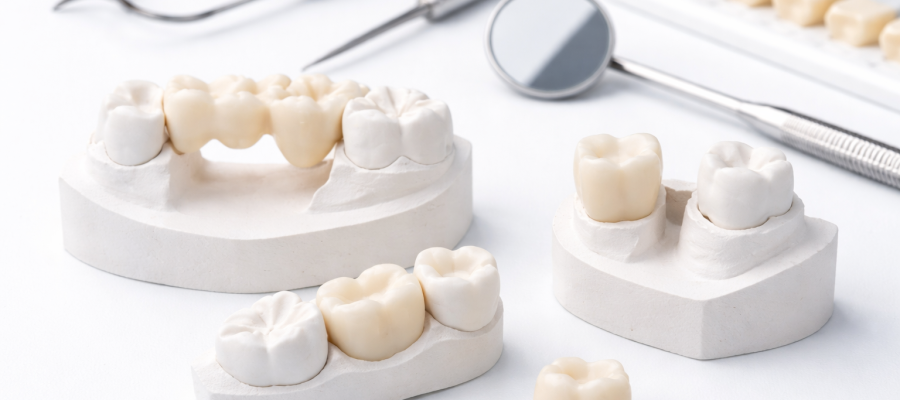
Think of a dental crown (often called a tooth cap) as a custom-made helmet for your tooth. When a tooth is too damaged for a simple tooth filling but still has healthy roots, a crown is placed over it to restore its shape, size, and strength.
Why You Might Need a Crown:
- Severe Decay: When a cavity is too large to be supported by a filling.
- Cracked or Broken Teeth: To hold the tooth together and prevent further fracturing.
- Post-Root Canal Therapy: Teeth become brittle after a root canal treatment, and a crown provides the necessary protection.
- Cosmetic Enhancement: To cover discolored teeth or misshapen ones for a better-looking smile.
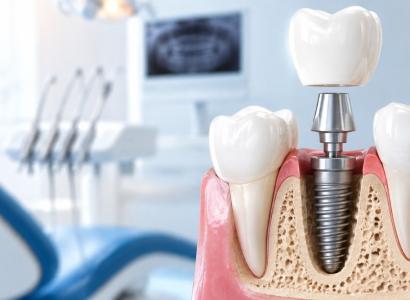
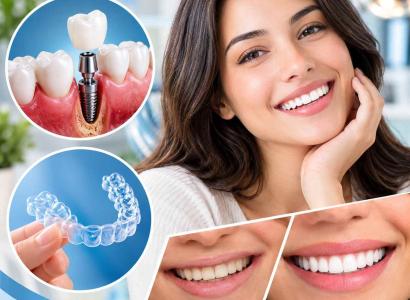
- Dental Implants: A crown is the final piece that sits on top of a tooth implant.
Bridging the Gap: What is a Dental Bridge?
If you are missing one or more teeth, a dental bridge literally "bridges" the gap. It consists of two or more crowns for the teeth on either side of the space—these are called abutment teeth—and a false tooth (or teeth) in between, known as a pontic.
The Major Perks of Getting a Bridge:
- Restores Your Smile: No more hiding your teeth in photos.
- Chewing & Speaking: It restores the ability to properly chew food and speak clearly.
- Prevents Shifting: It stops your remaining natural teeth from drifting out of position, which can cause bite alignment issues.
- Face Shape: It helps maintain the natural shape of your face by preventing bone loss in the jaw.
Types of Dental Crowns: Materials Matter
In 2026, we have more options than ever. Your choice depends on your budget, where the tooth is located, and how much "bite pressure" it needs to handle.
Material Type | Best For... | Longevity | Pros/Cons |
Zirconia Crowns | Back teeth / heavy chewers | 10–15+ years | Extremely strong; looks very natural. |
E-max (Lithium Disilicate) | Front teeth | 5–10 years | Superior aesthetics and translucency. |
Porcelain-Fused-to-Metal (PFM) | Strength & Beauty | 8–15 years | Strong, but a dark line may show at the gums. |
Gold/Metal Alloys | Hidden molars | 20+ years | Virtually indestructible; requires less tooth removal. |
Composite Resin | Budget-friendly | 3–5 years | Cheaper, but wears down faster. |
The Procedure: What to Expect at the Dental Clinic
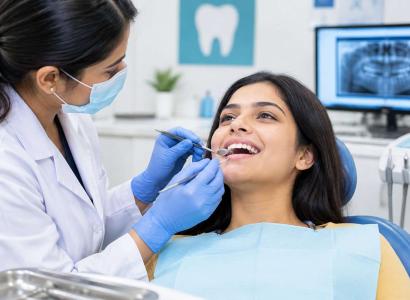
Gone are the days of terrifying, multi-hour sessions. Thanks to CAD/CAM technology, many dental offices now offer "same-day crowns." Generally, the process involves:
- The Consultation: Your local dentist will take X-rays and check your oral hygiene.
- Preparation: The tooth is reshaped to make room for the crown or bridge.
- Impressions: A digital scan or mold is taken.
- Temporary Placement: You’ll get a temporary cap while your permanent one is crafted.
- The Final Fit: The dentist bonds your custom porcelain crown or bridge in place, checking your bite and comfort.
Dental Crown and Bridge Cost in 2026
"How much is this going to set me back?" is the most common question. While prices vary by city and dental practice, here is a general idea:
- Dental Crowns: Typically range from $800 to $2,500 per tooth.
- Dental Bridges: Usually range from $1,500 to $5,000+, depending on the number of units.
Maintenance: How to Make Your Restorations Last
You’ve made the investment; now let’s keep it! A dental bridge or crown can last decades if you treat it right:
- Brush and Floss: Use a fluoride toothpaste twice a day. For bridges, use a "bridge threader" or water flosser to clean under the false tooth.
- Avoid "Hard" Habits: Don't chew ice, hard candy, or use your teeth as tools (no opening packages!).
- Regular Checkups: Visit your family dentistry expert every six months for a professional cleaning and to ensure the margins of your crown remain sealed.
Conclusion: Ready to Restore Your Smile?
Whether you're looking for cosmetic dentistry to boost your confidence or a restorative bridge to fix your bite, taking action now prevents more expensive problems (like emergency dental care) later.