Biopsy & Histopathological Reporting Dental in Dwarka, Delhi for Accurate Evaluation of Unusual Oral Tissue Changes
Biopsy & Histopathological Reporting is an important diagnostic service used to examine unusual or suspicious changes in the tissues of the mouth. Tirupati Dental - Implants & Surgical Center in Sector 11, Dwarka, Delhi, Biopsy & Histopathological Reporting may be recommended when an oral examination identifies a persistent ulcer, lump, patch, swelling, abnormal tissue growth or another change that requires a more detailed evaluation.
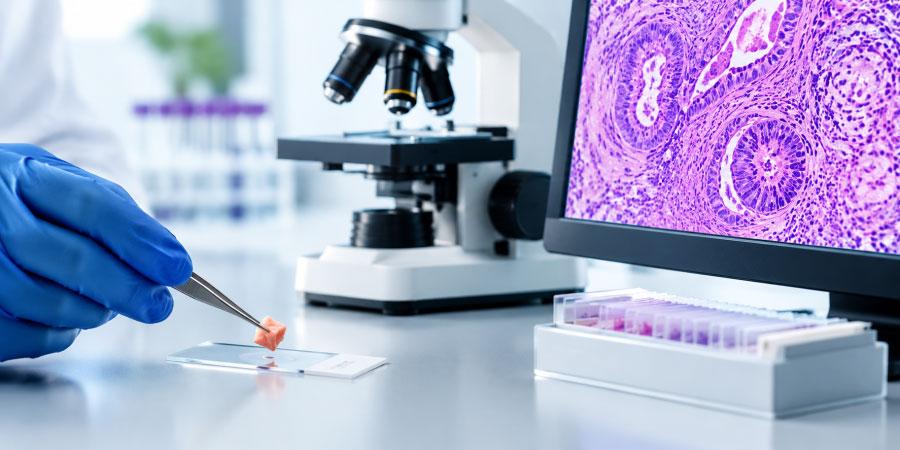
A Biopsy involves removing a small sample of tissue from the affected area. The tissue sample is then sent for microscopic examination. Histopathological Reporting is the detailed laboratory report prepared after examining the tissue under a microscope. The report provides important information about the nature of the tissue and helps the dental team determine the appropriate next step.
A Biopsy does not automatically mean that a patient has oral cancer. Many oral lesions and tissue changes can have different causes. However, when a change persists or appears unusual, Biopsy & Histopathological Reporting can provide valuable diagnostic information instead of relying only on visual examination.
The need for Biopsy & Histopathological Reporting may be identified during an Oral Cancer Screening or a routine dental examination. Our approach combines Complete Dental Care, Advanced Diagnostics, Modern Dental Techniques and Focus on Safety & Hygiene to ensure that patients receive appropriate evaluation and guidance.
Once the Histopathological Reporting is available, the dentist can explain the findings and discuss what they mean for the patient's oral health. Depending on the report and clinical condition, the patient may require monitoring, further treatment or referral for appropriate specialist care.
It is important not to ignore an oral change simply because it is painless. If an ulcer, lump, patch, swelling or unusual tissue change persists or repeatedly returns, timely dental evaluation can help determine whether Biopsy & Histopathological Reporting is appropriate.
Biopsy & Histopathological Reporting Frequently Asked Questions
1. What is a Biopsy in dentistry?
A dental Biopsy involves removing a small sample of tissue from an unusual or suspicious area in the mouth. The tissue is sent for laboratory examination to understand its nature.
2. What is Histopathological Reporting?
Histopathological Reporting is the laboratory report prepared after a tissue sample has been examined microscopically. It provides important information about the characteristics of the tissue and helps guide further clinical management.
3. Does needing a Biopsy mean I have oral cancer?
No. A Biopsy is a diagnostic procedure and does not mean that cancer is present. Oral tissue changes can have many different causes, and Histopathological Reporting helps determine the nature of the tissue.
4. When is Biopsy & Histopathological Reporting recommended?
It may be recommended when an oral examination identifies a persistent ulcer, lump, patch, swelling, abnormal growth or other tissue change that needs further investigation. It may also follow an Oral Cancer Screening.
5. What happens after the Histopathological Report is received?
The dentist reviews the Histopathological Report along with the clinical findings and explains the result to the patient. Depending on the findings, further monitoring, treatment or specialist evaluation may be recommended.