How to Care for Your Gums After Periodontal Surgery
Gum surgery is a vital step in achieving a healthy, painless, and confident smile. Whether you had therapy to correct chronic gum disease or prepped your mouth for future restorations such as Dental Implants or Full Mouth Rehabilitation, how you care for your mouth in the days after the surgery is critical. Proper aftercare promotes rapid healing, preserves fragile tissues, and assures long-term dental health.
At Tirupati Dental, we guide our patients through every step of their recovery journey, ensuring that post-surgical healing is smooth and stress-free.
Understanding Your Recovery Timeline
The days immediately following your treatment demand patience and sensitive care. Scaling and root planing are early therapies that target surface and subgingival microorganisms, whereas surgical approaches include repositioning or grafting tissues.
During the initial 24 to 48 hours, your gums will need time to form a natural protective clot. Avoid any strenuous physical activity, as elevated heart rates can trigger bleeding at the surgical site. Rest is your best companion during this phase.
Smart Eating Habits for Faster Healing
What you eat directly impacts how fast your gums knit back together. For the first few days, stick to a cool or lukewarm soft-food diet.
- Recommended Foods: Yogurt, smoothies, mashed potatoes, lukewarm soups, and scrambled eggs.
- Foods to Avoid: Spicy dishes, crunchy snacks, seeds, and extremely hot beverages that can dissolve blood clots or irritate the surgical dressing.
If you have had periodontal flap surgery or Bone Grafting, eating on the other side of your mouth is essential to avoid putting pressure on the graft site.
Gentle Oral Hygiene Maintenance
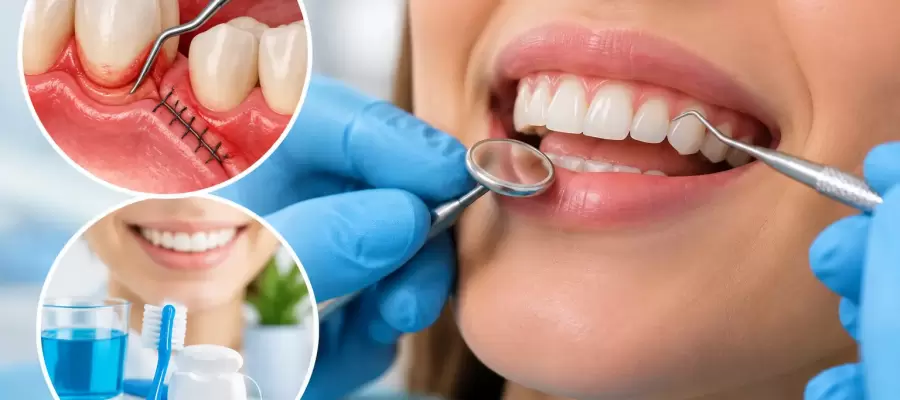
Maintaining cleanliness is essential, but technique changes completely after surgery. Never brush directly over the surgical stitches or packed areas during the first week. Instead, use a soft-bristled toothbrush for the rest of your teeth.
Your dentist may suggest a specific antibacterial mouthwash. Rinse your mouth gently, without swishing or spitting hard, because negative pressure might disrupt mending tissue.
Managing Common Post-Surgical Symptoms
Mild swelling, leaking, and discomfort are typical throughout the first 48 hours. Applying an ice pack wrapped in a towel to the outside of your cheek on a daily basis will assist minimize swelling. Take any prescribed medicines or pain relievers exactly as directed by your dentist.
If you previously experienced issues that required a Root Canal Treatment or a complex Surgical Tooth Extraction, your body is already accustomed to healing, but gum tissues demand meticulous adherence to these aftercare rules.
What We Offer
At Tirupati Dental, we provide a comprehensive spectrum of advanced oral care services designed to protect, restore, and beautify your smile under one roof. Our primary clinical offerings include:
- Advanced Periodontal Treatments and Gum Care
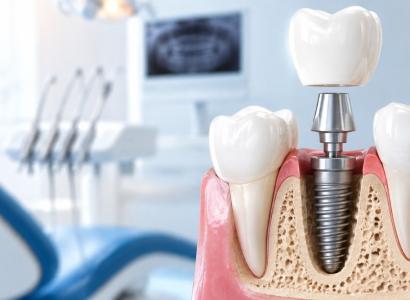
- Dental Implants for permanent missing tooth replacement
- Full Mouth Rehabilitation for complex structural restoration
- Root Canal Treatment and endodontic therapy
- Surgical Tooth Extraction and minor oral surgeries
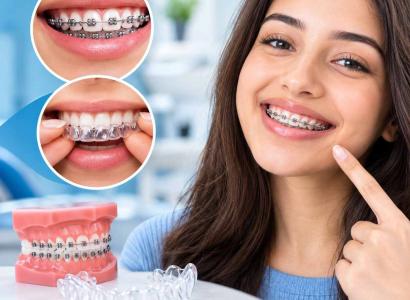
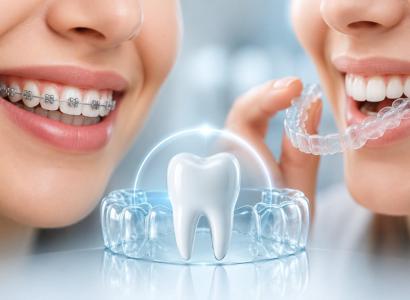
- Orthodontic solutions, braces, aligners, and cosmetic smile makeovers
Why People Choose Tirupati Dental
Patients across the region trust us because we blend clinical precision with genuine compassion. Backed by 17 years of extensive experience and clinical mastery, our team ensures every treatment is tailored to individual needs. We prioritize patient comfort, state-of-the-art sterilization protocols, and transparent communication, making us a premier destination for reliable family and surgical dental care.
We proudly serve patients exclusively from Dwarka Sector 6 to Dwarka Sector 24, offering personalized attention and expert care right in your neighborhood.
Frequently Asked Questions
How long does it take for gums to heal completely after periodontal surgery?
Surface healing normally takes one to two weeks, during which time sutures are removed or dissolved. However, total healing of the underlying bone and deep gum tissues may take many months.
Can I brush my teeth normally right after the surgery?
No. You should avoid brushing directly on the surgical site until your dentist gives you the green light. Stick to brushing unaffected areas gently and use prescribed mouth rinses to keep the area clean.
When should I contact my dentist post-surgery?
If you experience persistent heavy bleeding, severe throbbing pain that does not subside with medication, a high fever, or a dislodged surgical pack, you should contact our clinic immediately for an evaluation.